Complete House Washing Guide for Richmond Suburban Homes
Suburban properties throughout the greater Richmond area showcase a rich architectural mix, ranging from classic colonial brick estates in Henrico to contemporary fiber-cement and vinyl siding developments in Chesterfield and Midlothian. While these residences offer exceptional curb appeal and enduring comfort, the regional climate poses ongoing challenges for exterior surface preservation. Situated within a humid subtropical climate zone and surrounded by dense native tree canopies, suburban homes across the Richmond metropolitan area are uniquely vulnerable to organic contamination, atmospheric pollutants, and persistent weather-related wear.

Executing an effective exterior maintenance routine requires a clear understanding of regional environmental pressures, appropriate cleaning methodologies, and the specific materials comprising your home envelope. Utilizing improper techniques can result in permanent property damage, including compromised building wraps, voided shingle warranties, and etched concrete. This comprehensive guide outlines the essential principles of modern residential exterior care, examining the distinctions between standard house washing, high-pressure techniques, and targeted surface treatments designed to keep suburban Richmond properties protected throughout 2026 and beyond.
Understanding Exterior Contaminants in the Richmond Climate
The geography of Central Virginia, nestled in the James River basin, creates an ecosystem where biological growth thrives on residential exteriors. Warm, humid summers paired with mild, damp transitional seasons foster ideal conditions for the colonization of mold, mildew, green algae, and lichen. In heavily wooded suburban corridors such as Short Pump, Glen Allen, and Mechanicsville, massive annual pollen releases coat home exteriors each spring. When this yellow film combines with ambient humidity and rainfall, it creates a nutrient-rich substrate that accelerates the proliferation of destructive microorganisms.
Beyond standard mold and mildew, Richmond homeowners frequently encounter Gloeocapsa magma. This hardy, airborne cyanobacteria manifests as unsightly black streaks running vertically down asphalt shingle roofs. Because this bacterium feeds on the limestone filler embedded in modern roofing shingles, its presence is not merely aesthetic; left unchecked, it degrades shingle granules, decreases solar reflectivity, and shortens roof service life. Concurrently, ground-level surfaces accumulate red clay deposits native to Central Virginia soils, vehicular exhaust residues, and tannins leached from decomposing oak and maple foliage.
House Washing vs. Pressure Washing: Choosing the Right Technique
One of the most persistent misconceptions in residential property maintenance is the conflation of soft-wash house washing, standard pressure washing, and heated power washing. Applying the wrong modality to a particular exterior substrate is the primary cause of homeowner-induced exterior damage.
Soft washing relies on high water volume delivered under very low pressure—typically under 150 pounds per square inch (PSI)—paired with dedicated, specialized cleaning solutions. This method targets the root systems of biological contaminants rather than simply blasting the surface layer away. Soft washing represents the gold standard for cleaning vinyl siding, fiber cement (HardiePlank), engineered wood, dryvit, painted architectural trim, and cedar shakes. High-pressure water applied directly to siding often forces moisture behind weep holes, destroys building wraps, saturates wall insulation, and triggers interior mold cultivation.
In contrast, standard pressure washing utilizes mechanical force, generally operating between 2,500 and 4,000 PSI with unheated water. This process is engineered exclusively for dense, unyielding substrates such as unpainted poured concrete, stone retaining walls, and commercial walkways. Power washing introduces thermal energy into the equation, utilizing specialized heating coils to deliver hot water or steam to melt through heavy grease, engine oil, and deeply embedded carbon stains. Knowing when to apply low-pressure chemistry versus mechanical force is critical to preserving your home structure.
Comprehensive Exterior Cleaning: Roof, Siding, and Flat Surfaces
A complete residential wash demands a zoned approach. Every exterior material requires tailored cleaning agents, dwell times, and application techniques to ensure deep sanitization without material fatigue.
Gentle Roof Cleaning Solutions
Modern roofing assemblies are fragile. Major manufacturers and the Asphalt Roofing Manufacturers Association (ARMA) explicitly mandate low-pressure chemical treatments for cleaning shingle roofs. High-pressure washing must never be deployed on asphalt or architectural shingles, as it mechanically dislodges the protective mineral granules, exposing the underlying fiberglass mat to rapid ultraviolet degradation. Professional roof cleaning utilizes low-pressure delivery systems to distribute a balanced surfactant and algaecide blend across the slope. This solution eradicates Gloeocapsa magma and lichen colonies down to their microscopic roots, allowing natural rain cycles to rinse the dead organic matter away harmlessly over several weeks.
Siding and Trim House Washing
The vertical planes of your home require balanced detergents to break surface tension and dissolve organic stains. Standard vinyl siding, common in newer developments across Henrico and Chesterfield, often harbors green algae on northern elevations that receive minimal direct sunlight. Soft-wash applications apply an algaecide coupled with thick-foaming surfactants that cling to vertical surfaces, penetrating porous seams and window trim. The structure is then gently rinsed with wide-fan, low-pressure nozzles from the top down. For historic brick exteriors common in older Richmond enclaves, low pressure is equally vital; high water pressure readily erodes soft historic lime mortar and degrades the protective outer crust of historic masonry.
Driveway Cleaning and Flat Surface Maintenance
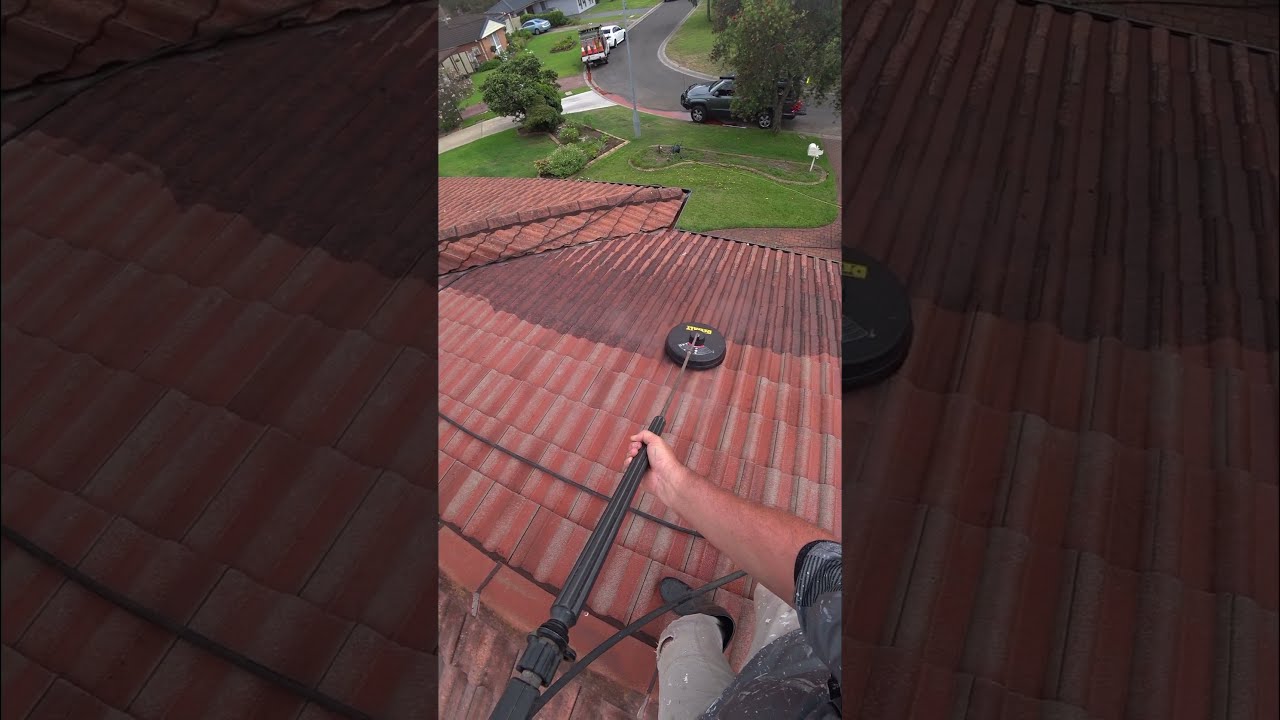
Flat horizontal surfaces endure the heaviest wear patterns on any suburban property. Dedicated driveway cleaning requires commercial-grade surface cleaners rather than standard hand-held spray wands. A surface cleaner incorporates dual or triple rotating nozzles beneath a circular housing, ensuring an even, uniform cleaning path that prevents the jagged striping and zebra-pattern etching commonly caused by manual wands. Concrete drives, stamped decorative patios, and aggregate walkways benefit from a pre-treatment that breaks down embedded dirt, followed by balanced pressure cleaning, and finishes with a post-treatment algaecide that penetrates microscopic concrete pores to inhibit future weed and algae emergence.
Strategic Seasonal Schedule for Richmond Properties
Exterior maintenance yields the best results when synchronized with Central Virginia's seasonal weather patterns. The following schedule outlines an optimal annual workflow for suburban Richmond homeowners:
- Late Spring (May to June): Schedule comprehensive house washing immediately following the completion of the major oak, pine, and sweetgum pollen drops to eliminate heavy organic buildup and prepare surfaces for high summer heat.
- Mid-Summer (July to August): Focus on flatwork rejuvenation, including patio, pool deck, and driveway cleaning, when consistently dry, warm conditions allow deep concrete drying and the effective application of premium silane-siloxane penetrating sealers.
- Mid-Autumn (October to November): Undertake dedicated roof cleaning and comprehensive gutter clearance once autumn leaf fall slows down, preventing damp debris from trapping winter moisture along the roofline and fascias.
- Late Winter (February to March): Perform early inspections and targeted spot-treatments along shaded, north-facing walls and damp basement entries to remove cold-season mold colonies before spring temperatures cause rapid expansion.
Environmental Regulations and Community Standards
In 2026, suburban environmental compliance is an increasingly prominent consideration for homeowners in Central Virginia. The entire Richmond metropolitan area drains directly into the James River watershed, ultimately impacting the delicate ecology of the Chesapeake Bay. Strict state and municipal regulations govern wastewater runoff containing synthetic detergents, phosphates, and bleach. Professional washing protocols must prevent chemical discharge into municipal storm sewers by utilizing soil buffering, neutralizers, or reclaim systems. Homeowners must ensure all cleaning products used on their premises are biodegradable and that nearby sensitive landscaping is thoroughly hydrated before, during, and after chemical application to prevent botanical shock.
Additionally, suburban master-planned communities across Hanover, Henrico, and Chesterfield are governed by strict Homeowners Association (HOA) architectural review covenants. These associations regularly issue citations and fines for visible mildew on vinyl siding, discolored garage doors, and stained driveways. Establishing a consistent, preventive exterior cleaning routine ensures full compliance with HOA mandates while protecting the baseline valuation of the surrounding neighborhood.
Essential Pre-Washing Checklist for Homeowners
Prior to conducting any structural wash, whether self-executed or through a licensed local contractor, properties must be carefully prepped to mitigate property damage risks and streamline the washing process:

- Secure Building Openings: Ensure all double-hung and casement windows are fully latched, deadbolt entry doors, and inspect weatherstripping to prevent interior water seepage during wide-angle rinsing.
- Isolate Electrical Connections: Cover all exterior electrical receptacles, EV chargers, lighting sconces, security cameras, and exposed Ring or Nest doorbells with waterproof tape and plastic sheeting, and trip exterior breaker switches if necessary.
- Clear the Perimeter: Relocate outdoor furniture, decorative planters, hanging baskets, children's toys, and portable grills at least twenty feet away from exterior walls to ensure clear staging access.
- Protect Delicate Landscaping: Saturate all shrubbery, delicate annuals, and foundational garden beds with clean water before detergent application, and cover sensitive specimens with breathable canvas drop cloths rather than suffocating plastic tarps.
- Contain Pets and Secure Access: Keep all domestic animals inside for the duration of the service, unlock side gates for perimeter accessibility, and close overhead garage doors tightly to keep out washback.
Professional Contracting vs. DIY Execution
While consumer-grade electric pressure washers are readily available at retail home improvement centers across Central Virginia, significant risks accompany unsupervised DIY cleaning. Box-store units generally offer high pressure with anemic water flow—often less than 1.5 to 2.0 gallons per minute (GPM). This imbalance forces users to place the nozzle dangerously close to siding or masonry, drastically increasing the likelihood of gouging concrete, splintering deck boards, blowing out double-pane window seals, or stripping paint coats. Furthermore, consumer retail equipment rarely reaches the second and third stories typical of Richmond suburban houses, pushing homeowners to make dangerous climbs up extension ladders with pressurized tools.
Certified professional teams utilize heavy-duty, truck-mounted equipment capable of delivering high-volume output (often exceeding 5 to 8 GPM) at adjustable pressures. This allows for safe ground-level soft washing that easily reaches peaks and dormers without requiring ladder work or dangerous high-pressure impact. Moreover, reputable local contractors understand the specific chemical ratios required to eliminate Richmond-specific biological growth safely, carry mandatory commercial general liability policies, and implement environmental containment practices that safeguard your family, pets, and the https://jeffreyvqem535.timeforchangecounselling.com/richmond-pressure-washing-faqs-for-first-time-customers local watershed.
Long-Term Exterior Preservation
Maintaining a clean suburban exterior in Richmond is not a purely cosmetic endeavor. It is a vital layer of defensive maintenance that protects structural materials from irreversible micro-abrasion, deep moisture retention, and premature functional failure. By relying on modern soft-wash house washing for delicate structural sidings, ARMA-compliant non-pressure methods for delicate shingles, and specialized rotating surface tools for driveways and walkways, property owners can safeguard their physical investment against the demands of the Mid-Atlantic climate.
Establishing an annual exterior maintenance protocol guarantees that your residence remains structurally sound, aesthetically superior, and fully compliant with community regulations year after year. Proactive structural care is consistently more cost-effective than unexpected substrate replacements, roof repairs, or premature exterior repainting, ensuring your Richmond home retains its maximum value well through 2026, 2027, and for decades to come.
Richmond Pressure Cleaning
Unit 2/420 Church St, Richmond VIC 3121
ph. (03) 4231 7213
Corrections
Spot something wrong? Send it to the desk and it gets fixed in the open.